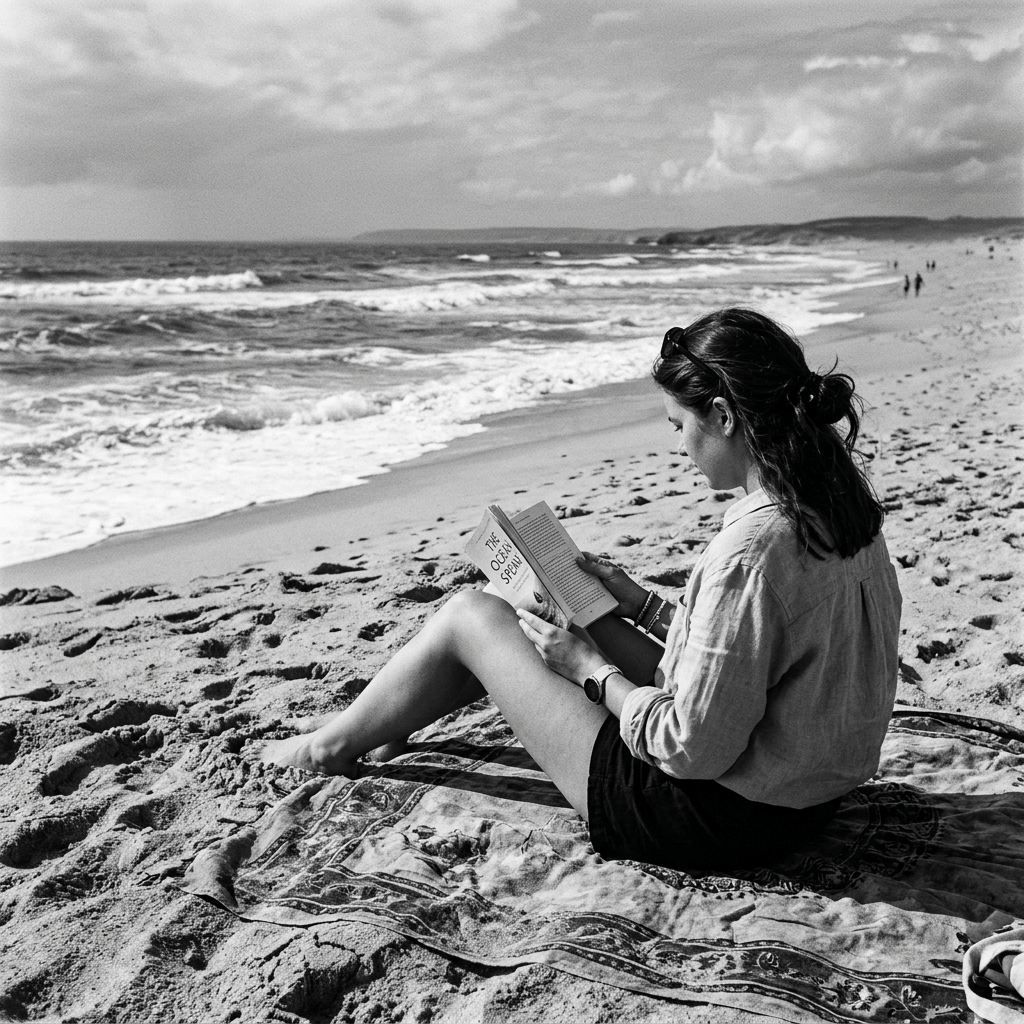
Reading on the beach sounds blissful until your paperback becomes gritty, damp and lightly marinated in sun cream.
Thankfully, you do not need to choose between enjoying your book and keeping it in one piece. The simplest way to read a book at the beach is to bring a replaceable copy, carry it in a sealable waterproof bag and only handle it with clean, dry hands. Read well away from the water, keep the book off your towel and put it away whenever you swim, eat or reapply sun cream.
A little preparation can prevent most beach-book disasters, leaving you free to concentrate on the important things. Namely, fictional drama and whether someone has remembered the snacks.
Choose the right book for the beach
Your first line of defence is choosing a book that can cope with a less-than-pristine environment.
The beach is probably not the place for:
- A signed first edition
- A treasured childhood copy
- An expensive hardback
- A borrowed book you cannot easily replace
- A delicate special edition with sprayed edges
- Anything you would be genuinely upset to stain
Instead, take a standard paperback, a charity-shop find or a second-hand copy. Mass-market paperbacks are particularly handy because they are light, compact and less painful to replace if the sea decides it would also like a chapter.
This does not mean you should treat the book as disposable. It simply removes some of the anxiety from reading somewhere full of water, wind and tiny abrasive particles.
Pack a simple beach-reading kit
You do not need a suitcase full of protective equipment. A few inexpensive items should cover most situations.
A sealable waterproof bag
Place your book inside a reusable zip bag, roll-top dry bag or waterproof document pouch before putting it in your beach bag.
This protects it from:
- Leaking drinks
- Damp towels
- Wet swimming costumes
- Spilled sun cream
- Sand working its way between the pages
- Unexpected waves or rain showers
Choose a bag slightly larger than the book so the corners are not crushed. Squeeze out excess air before sealing it to keep the package compact.
A clear pouch can also let you read without removing the book completely, although page-turning may require a little determination.
A clean cloth or small towel
Keep a separate microfibre cloth or hand towel specifically for drying your hands before touching your book.
Your main beach towel will quickly collect sand, salt and sun cream, so it is not always the best tool for book-related emergencies.
A bookmark that will not blow away
Loose receipts and paper bookmarks have a habit of launching themselves down the beach at the first hint of a breeze.
Try a magnetic bookmark, an elastic bookmark or a ribbon attached to a book sleeve. Avoid folding page corners, especially when the paper is slightly damp, as they can tear more easily.
A book sleeve
A padded fabric sleeve adds protection against bent covers and damaged corners. It is useful inside your beach bag, but it is not automatically waterproof.
For the best protection, put the sleeved book inside a sealed waterproof bag.
Keep your book away from sand
Sand gets everywhere. This is less of a beach observation and more of a natural law.
The easiest way to keep it out of your book is to avoid placing the book directly on your towel. Towels collect sand whenever you move, sit down or return from the water.
Instead, keep your book:
- Inside its waterproof pouch
- On a small beach table
- In a clean tote placed inside your main beach bag
- On top of a dry, sand-free hat or folded cloth
- In your hands while actively reading
Before opening it, check your fingers and brush any visible grains away.
Clean, dry hands are one of the simplest ways to protect books from dirt, oils and accidental damage. Preservation guidance from the Library of Congress also emphasises careful handling and clean hands as effective preventative measures.
If sand does get between the pages, do not rub it. Individual grains can scratch glossy covers and printed surfaces.
Close the book gently, hold it with the page edges facing down and lightly tap it so loose sand falls away. At home, use a clean, soft brush to remove any stubborn grains.
Dry your hands before every reading session
Sea water is not the only threat. Wet hands, melting ice lollies and freshly applied sun cream can all leave marks.
Before picking up your book:
- Rinse or brush sand from your hands.
- Dry them thoroughly with your book cloth.
- Check that your palms are not greasy from sun cream.
- Hold the book by its covers rather than gripping the page edges.
You should still wear and regularly reapply suitable sun protection. Just give it time to absorb and wipe excess product from your palms before returning to your book.
A book can survive a smudged fingerprint. Your skin should not be sacrificed for pristine page edges.
Sit farther away from the water than you think you need to
That perfect spot beside the shoreline may look wonderfully atmospheric, but tides and larger waves are not known for respecting personal belongings.
Choose a reading spot well above the damp line in the sand. If the tide is coming in, move your belongings before the water gets close.
Keep your book packed away while:
- Paddling
- Swimming
- Walking along the water
- Moving beach furniture
- Helping children build ambitious sand structures
- Taking photographs beside the sea
Most beach-book mishaps happen during transitions rather than while someone is quietly reading.
Protect the pages from wind
Wind can bend pages, strain the spine and turn a relaxing reading session into an unwanted upper-body workout.
Sit with your back facing the wind where possible. A windbreak, beach tent or sheltered spot can make reading much easier.
You can also use a lightweight book clip to hold pages open. Choose one with smooth, padded edges and do not clamp it too tightly, particularly on thin paperback pages.
Avoid forcing the book completely flat. Opening a paperback beyond its natural range can crack the spine and loosen the pages.
Read under shade when possible
Strong sunlight can make white pages uncomfortably bright. It can also heat up dark book covers and electronic devices.
Reading beneath a parasol, canopy or beach tent gives you a more comfortable view of the page and helps keep your belongings cooler. Store your book in your bag rather than leaving it open in direct sunlight while you swim or nap.
Shade will move as the day progresses, so check your position occasionally. Your toes may be in the shade while your book quietly cooks beside you.
Can you read a Kindle at the beach?
An e-reader can be an excellent beach option because it allows you to carry several books without filling your bag. Glare-free e-ink screens are also generally easier to read outdoors than reflective phone or tablet screens.
However, not every Kindle or e-reader is waterproof. Check the exact model rather than assuming it can survive a splash.
Amazon states that current waterproof Kindle Paperwhite models have an IPX8 rating and have been tested against temporary immersion. Its guidance gives different limits for fresh water and seawater, so waterproof should not be interpreted as completely sea-proof.
Even with a water-resistant model:
- Keep it inside a protective case or waterproof pouch
- Avoid charging it near water
- Dry your hands before touching the screen
- Keep sand away from charging ports and case hinges
- Do not leave it in direct sun inside a sealed bag
- Follow the manufacturer’s instructions after salt-water exposure
Sand can still scratch a screen or work its way into small gaps, even when the device itself is water-resistant.
Should you use your phone instead?
Reading on your phone avoids risking a physical book, but it brings its own problems. The screen may be difficult to see in bright sunlight, notifications can interrupt your reading and prolonged use may drain the battery you need for directions, tickets or emergency calls.
A phone is useful for short reading sessions, audiobooks or accessing a back-up ebook. For a full afternoon, a paperback or dedicated e-reader is usually more comfortable.
What to do if your book gets wet at the beach
Act quickly, but resist the urge to attack it with a hairdryer.
For a light splash
Blot the wet area gently with a clean, absorbent cloth. Do not rub, as damp paper tears easily.
Stand the book upright and allow the pages to fan slightly in a dry, well-ventilated place. Place absorbent paper between the wettest sections, using only a few sheets at a time so you do not strain the spine.
Replace the absorbent paper as it becomes damp.
For a soaked book
Remove the book from any sealed bag once you are somewhere clean and dry. Leaving a wet book trapped in plastic can hold moisture against the pages.
Air-drying should begin promptly. The Library of Congress advises setting wet books out to dry immediately and seeking specialist guidance when a book cannot be dried quickly.
Do not:
- Put the book on a radiator
- Microwave it
- Iron the pages
- Blast it with a hot hairdryer
- Pull stuck wet pages apart
- Close it and hope for the best
Heat can cause extra distortion, while forcing wet pages apart may tear away text or illustrations.
Books with glossy coated pages, leather bindings or significant financial or sentimental value may need specialist treatment. The Library of Congress recommends consulting a conservator when an item is particularly valuable or the damage is complicated.
The best beach-reading routine
The easiest way to protect your book is to follow the same routine each time you pick it up.
- Choose a dry reading spot away from the water.
- Brush sand from your hands.
- Dry your hands with a clean cloth.
- Remove the book from its waterproof bag.
- Read in the shade where possible.
- Return the book to its bag before swimming, eating or applying sun cream.
- Keep the sealed book separate from damp towels and swimwear.
It takes less than a minute and prevents most common forms of beach damage.
Final thoughts
You can absolutely read a book at the beach without turning it into a sandy papier-mâché project.
Bring a replaceable paperback or suitable e-reader, store it in a sealable waterproof bag and handle it only with clean, dry hands. Keep it away from the shoreline, protect it from wind and put it away before doing anything wet or messy.
Your book might return home with a slightly softened cover or a few grains of sand tucked into the spine. That is not necessarily destruction. Sometimes it is simply evidence of an excellent holiday.
What book would you pack for your next beach day? Share your favourite seaside read in the comments and help another bookworm fill their holiday reading list.
FAQs
How do I stop sand getting inside my book?
Keep the book in a sealed waterproof bag whenever you are not reading. Dry and brush off your hands before opening it, and never place it directly on a sandy towel. If grains get inside, gently tap them out rather than rubbing the pages.
Can I put a book in a plastic bag at the beach?
Yes. A sturdy reusable zip bag provides useful protection from sand, splashes, wet towels and leaking bottles. Make sure the book is completely dry before sealing it for a long period, as trapped moisture can encourage mould and musty smells.
Is it safe to take a hardback to the beach?
You can take a hardback, but it may be heavier and more awkward to protect. Dust jackets can crease easily, while fabric-covered boards may absorb moisture. A replaceable paperback is usually the safer option.
Can I read a Kindle beside the sea?
Yes, but check whether your exact Kindle model is water-resistant. Even waterproof models should be protected from sand, prolonged seawater exposure and excessive heat. A case and waterproof pouch offer extra protection.
How do I dry a book that has been splashed?
Blot excess moisture without rubbing, then stand the book upright in a well-ventilated room with the pages slightly fanned. Use absorbent paper between the wettest sections and replace it as needed. Valuable, glossy or heavily soaked books may require professional advice.
 The Curvy Bookworm